
 Updated : October 21, 2026
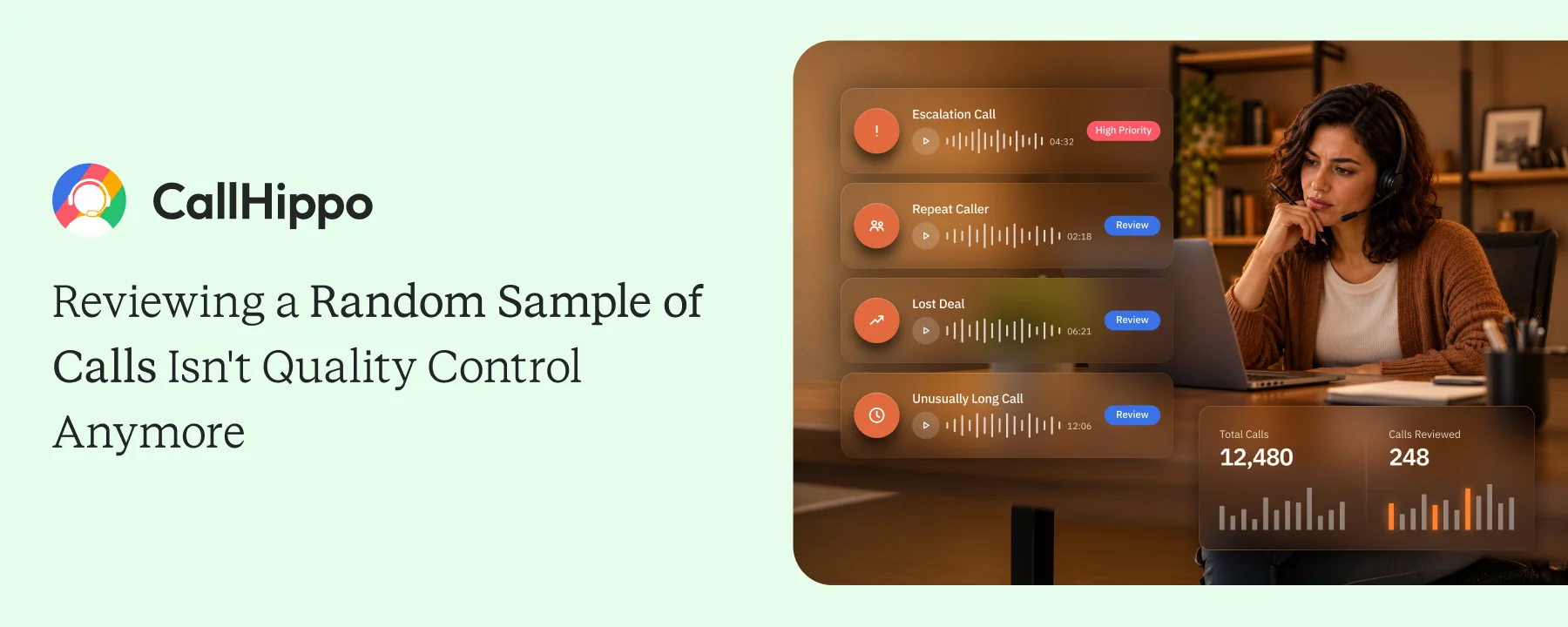
A contact center can run thousands of calls in a month and judge all of them by a dozen. That is the quiet truth behind most quality scores.
Businesses pull a few calls at random, score them, and treat the result as the verdict on everyone.
The number looks precise, so nobody questions it. But quality control was never about reviewing calls. It is about reviewing the right ones.
Most Call Quality Scores Come From a Handful of Random Calls
A monthly QA report shows a 92% quality score, and heads nod around the table.
Then ask a simple question: how many calls produced that number?
At most centers, it is a few calls per agent, a small single-digit share of total volume. Industry analysts put manual QA coverage at around 1 to 3% of calls.
Sit with that for a moment. The most-quoted quality figure in the business comes from calls nobody chose on purpose.
We present it with confidence, while almost everything a customer actually experienced never gets looked at.
Why a Random Sample Gives Agents Unfair Scores
Agents feel this problem first. When only four calls get reviewed, one bad draw can sink a strong month, and one easy draw can carry a weak one.
The score reflects which calls were picked, not how the agent really performs.
Agents know this better than anyone. They watch good work go unrewarded, and luck go unpunished, so they stop believing the number.
Once the people being measured distrust the measurement, the score stops changing behavior, which was the entire point.
Why Random Sampling Misses the Calls That Matter Most
The flaw runs deeper than fairness. Most calls are routine, so a random pick is usually routine too.
The calls that carry real risk or real lessons are rare by nature: escalations, cancellations, missed disclosures, promises an agent should never make, deals that slipped away.
A random sample almost never lands on them.
So leaders learn about these calls later, from a complaint, a chargeback, or a regulator, long after the moment passed.
The exposure was always there. Sampling just kept it out of sight.
The Real Limit Is Reviewer Time, Not the Review Method
So why do samples stay this small? It is not the method, but the time.
QA usually sits with one or two managers who also run the floor, handle escalations, and pull the sales call reporting.
Call review is the task that gets squeezed.
Adding more random picks solves nothing when no one has the hours to listen to them.
The real constraint on QA has never been the number of calls available to review. It has always been reviewer time.
Quality Control Means Choosing Calls on Purpose
Here is the shift worth making. Stop drawing calls at random, and start choosing them on purpose.
Your call logs already hold the signals:
- Unusually long or short calls
- Repeat callers
- Calls that ended in a cancellation or an escalation
- A new agent’s first weeks on the phones
- The deals you lost
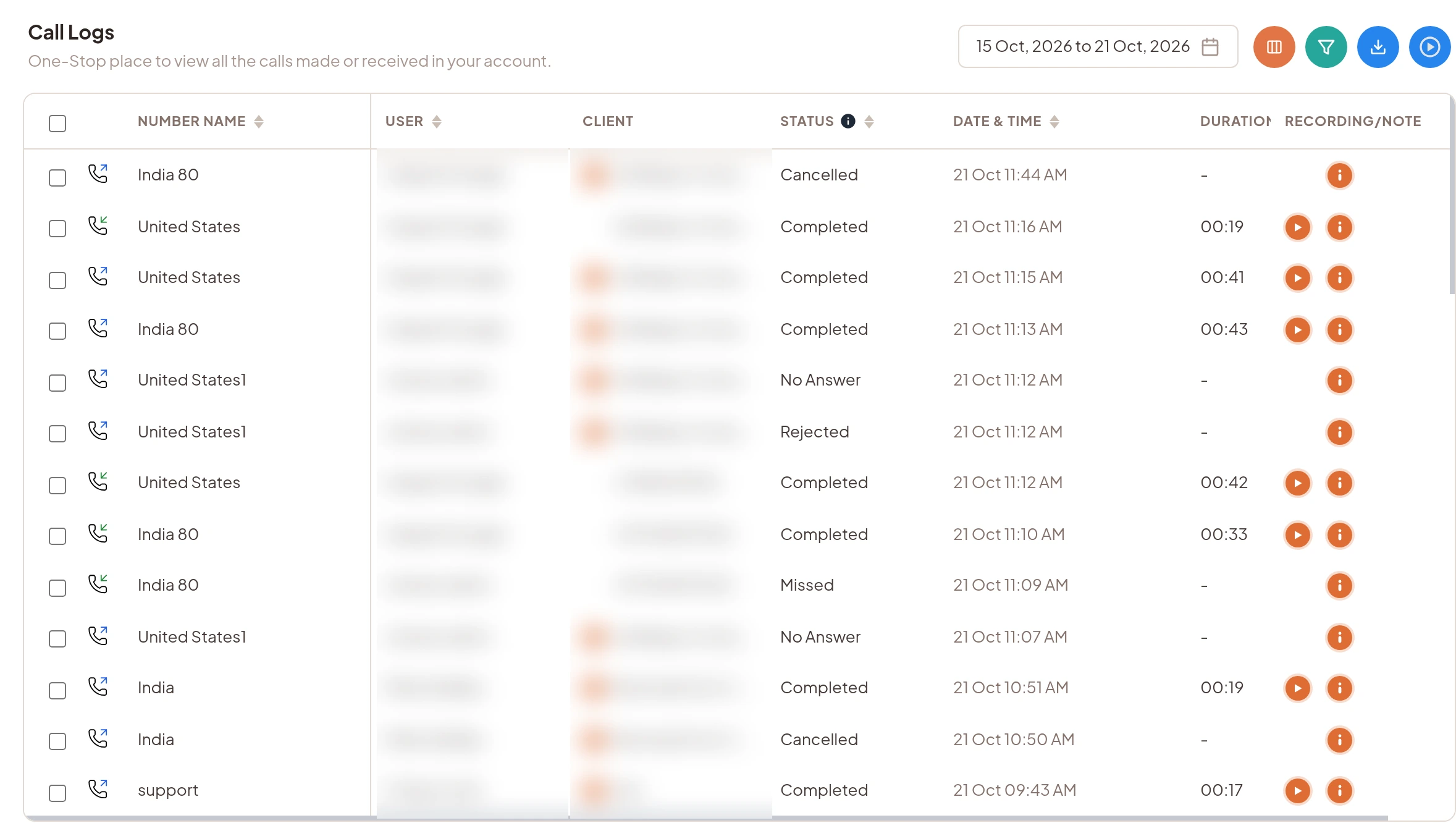
Review those, and keep only a small random slice as a baseline.
The reviewer hours stay exactly the same. What changes is the value of what they find. You spend the same time and surface the problems that actually matter.
Quality Review Works Better When More People Can Do It
There is one more limit worth removing. Call review should not live with a single overworked manager.
Team leads, trainers, and senior agents can all review calls against the same scorecard, as long as they can reach the recordings and share feedback in one place.
The key is regular calibration, so everyone scores the same call the same way.
Some phone systems now treat call review as a role rather than a paid seat.
CallHippo’s QA Agent, for example, is a free role that lets team members audit call recordings and logs and leave feedback for agents.
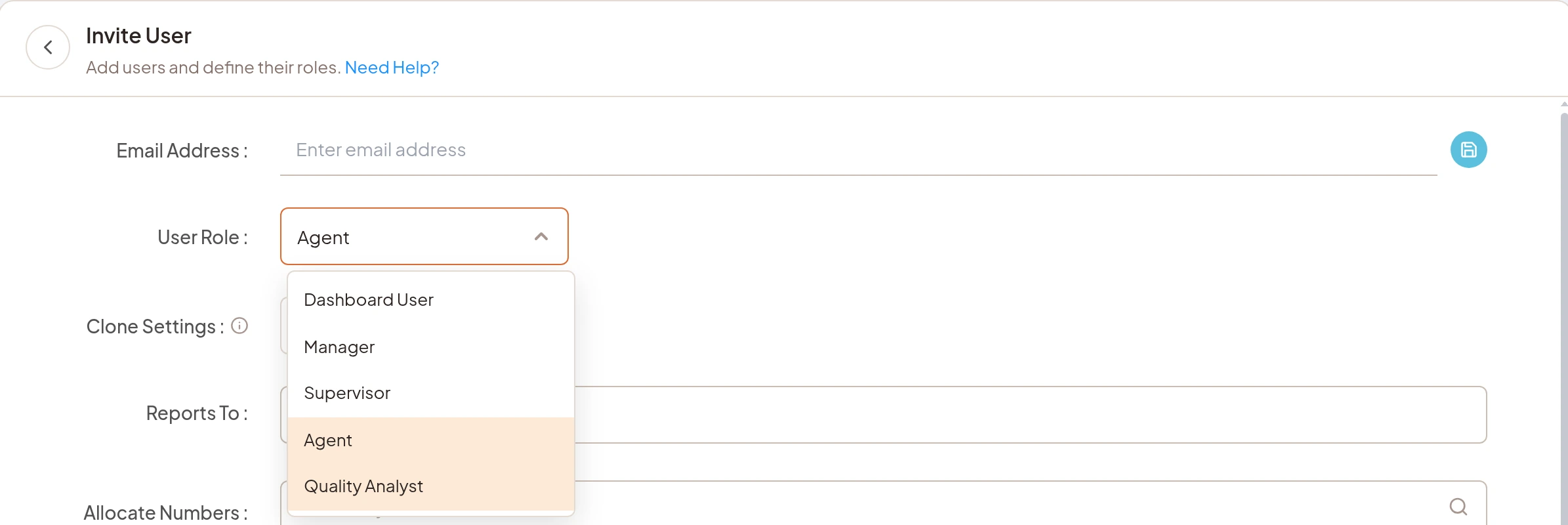
More qualified eyes, more often, means fewer blind spots.
The Question to Ask About Your Next QA Report
The next time someone presents a quality score, ask two questions.
What share of calls does this cover? And how were those calls chosen?
If the answer is a random sample, you are looking at a guess with a decimal point.
Then ask the one that really matters. If a compliance miss happened on a call nobody picked, how would any of us ever find out?
The silence after that question is the true state of your quality control.
Conclusion
Randomly reviewing calls was never quality control. It was quality sampling, shaped by the hours one person had to spare. The fix is not to review more calls at random. It is to review the right ones, on purpose, with more people helping. Do that, and your quality score finally reflects the calls your customers actually had.

Published : October 21, 2026

Ankit Dudhwewala is the CEO and Co-founder of CallHippo, a leading virtual phone system designed to optimize business communication through AI and automation. With a strong background in marketing and business administration, Ankit has successfully built and bootstrapped CallHippo. Ankit’s leadership and innovative approach have made him a prominent figure in the SaaS industry, driving growth and shaping the future of business communication solutions.

Subscribe to our newsletter & never miss our latest news and promotions.
 24k+ people have already subscribed